

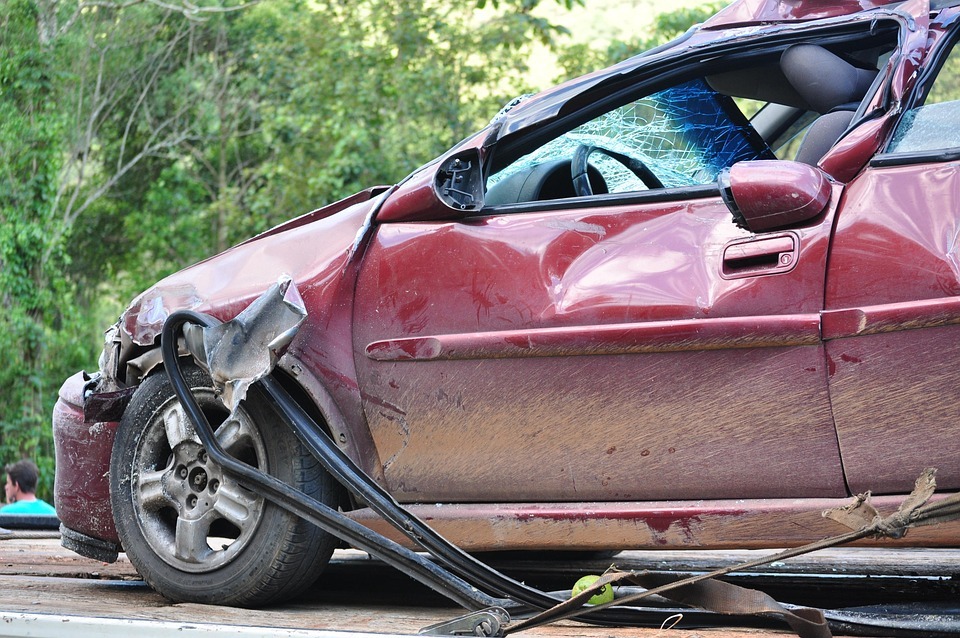
Determining who is legally responsible after a vehicle collision is a critical step in resolving claims, recovering damages, and ensuring accountability. Liability is not always straightforward; it often involves analyzing multiple factors, including driver behavior, road conditions, and applicable laws.
Understanding how fault is established can help individuals better navigate the aftermath of an accident and make informed decisions. This post details the legal concept of liability, the roles of traffic laws and violations, and more.
The Legal Concept of Liability
Liability in vehicle collision cases refers to the legal responsibility for causing an accident. In most situations, liability is based on negligence while operating a vehicle. Drivers are expected to follow traffic laws and act in a way that minimizes risk to other road users. To prove negligence, you must typically establish:
- The driver had a responsibility to operate the vehicle safely
- The driver failed to uphold that responsibility
- The breach caused the accident
- The accident caused measurable harm, such as property damage or injuries
If all these elements are present, a party may be held legally liable for the collision.
The Role of Traffic Laws and Violations
Traffic laws play a central role in determining fault. When a driver violates a rule, such as running a red light or speeding, it often serves as strong evidence of negligence. Law enforcement officers who respond to the scene typically document these violations in official reports. These reports can be used during insurance claims or legal proceedings. Some common violations that contribute to liability include:
- Driving under the influence of alcohol or drugs
- Failing to yield the right of way
- Distracted driving, such as texting while driving
- Ignoring traffic signals or signs
While a violation does not automatically determine fault in every case, it significantly influences how liability is assessed.
Importance of Evidence in Establishing Fault
Evidence is essential when determining liability. The more comprehensive and reliable the evidence, the clearer the picture of what occurred. Various types of evidence are typically used to reconstruct the events leading up to a collision. Key forms of evidence include:
- Police reports detailing observations and citations
- Photographs or videos of the accident scene
- Witness statements from individuals who saw the incident
- Vehicle damage assessments
- Surveillance or dashcam footage
In some cases, accident reconstruction experts may be brought in to analyze the evidence and provide professional opinions on how the collision occurred. This can be particularly useful in complex or disputed cases.
Contributory and Comparative Negligence
Not all accidents are caused by a single party. In many cases, multiple drivers share responsibility. Legal systems use different methods to assign fault when more than one party is involved.
Under comparative negligence, each party is assigned a percentage of fault. Compensation is reduced based on that percentage. For instance, if a driver is found to be at fault at 20%, their recovery is reduced by that amount.
Contributory negligence, on the other hand, is a stricter standard used in some states. Under this rule, a person may be prevented from recovering damages if they are found to have contributed even slightly. Understanding which standard applies is essential, as it directly affects the outcome of a claim.
The Role of Insurance Companies
Insurance companies are heavily involved in determining liability. After a claim is filed, adjusters investigate the accident by reviewing evidence, interviewing witnesses, and analyzing reports. Their goal is to determine fault and decide how much compensation should be paid.
However, insurance companies operate with their own financial interest in mind. This means their assessment of liability may not always align with what an injured party believes is fair. In these situations, seeking professional legal guidance can ensure that the evaluation is accurate and unbiased. Consulting a Tucson car accident lawyer can provide clarity on legal rights and help navigate disputes over fault.
Multi-Vehicle Collision and Complex Liability
Accidents involving multiple vehicles are often more complicated. Determining liability in these cases requires a careful examination of each driver’s actions and how they contributed to the chain of events. Factors considered in multi-vehicle cases include:
- The sequence of impacts
- Whether any driver was following too closely
- Road and weather conditions at the time
- The speed and positioning of each vehicle
Since multiple parties may share responsibility, these cases often involve extensive investigation and negotiation.
The Impact of Road and Environment Conditions
External factors can also influence liability. Poor road conditions, inadequate signage, or hazardous weather may contribute to an accident. In some situations, responsibility may extend beyond the drivers involved. Examples of external factors include:
- Potholes or poorly maintained roads
- Malfunctioning traffic signals
- Limited visibility due to weather conditions
- Construction zones without proper warnings
If a government agency or third party is responsible for unsafe conditions, they may share liability. However, claims involving public entities often involve additional legal requirements and deadlines.
Role of Expert Testimony
In more complex cases, expert testimony can play a significant role in determining liability. Experts analyze technical aspects of the collision and provide insights that may not be immediately apparent from basic evidence.
Types of experts commonly involved include accident reconstruction specialists, medical professionals who assess injuries, and engineers who evaluate vehicle performance or road conditions. Their findings can strengthen a case by providing objective, professional analysis that supports a particular version of events.
How Statements and Actions Affect Liability
What drivers say and do after an accident can influence how liability is determined. Statements made at the scene, especially admissions of fault, may be used later in legal proceedings. Even casual remarks can be interpreted as accepting responsibility.
Similarly, actions such as leaving the scene or failing to report the accident can negatively impact a driver’s position. It is generally advisable to:
- Remain at the scene and ensure safety
- Cooperate with law enforcement
- Provide accurate but limited information
- Avoid speculation about fault
These steps help protect one’s legal interests while ensuring compliance with the law.
Legal Proceedings and Final Determination
If liability cannot be resolved through insurance negotiations, the case may proceed to court. In such situations, a judge or jury reviews the evidence and determines fault based on applicable laws. The legal process may involve:
- Filing a lawsuit
- Discovery, where both sides exchange evidence
- Depositions and witness testimony
- Trial proceedings
The final determination of liability will influence the amount of compensation awarded and how it is distributed among the parties involved.
Endnote
Understanding how fault is determined in vehicle collision cases is essential for navigating the legal and financial consequences that follow an accident. By examining evidence, applying legal standards, and considering all contributing factors, a fair and accurate assessment of responsibility can be reached.
