

Modern farming is no longer just about increasing inputs and hoping for better output. Today, farmers need smarter ways to improve crop performance while managing water, chemicals, labour, and time more carefully. This is where precision agriculture is becoming increasingly valuable.
By using data, technology, and targeted field practices, precision agriculture helps farmers make more accurate decisions at every stage of crop management. From monitoring field conditions to applying inputs more efficiently, these methods support stronger productivity and better operational control.
As farming becomes more resource-conscious, precision agriculture solutions are playing an important role in helping farmers improve both crop yield and spray efficiency.
Why Precision Agriculture Matters for Yield Improvement
Crop yield depends on several factors, including soil health, water use, nutrient balance, crop protection, and timing. When these elements are managed uniformly across an entire field, some areas may receive more input than needed, while others may not get enough. This can affect plant health and overall productivity.
Precision agriculture improves this by helping farmers respond to actual field conditions rather than using a one-size-fits-all approach. When crops receive more accurate care, the chances of maintaining healthier growth and stronger yield outcomes increase.
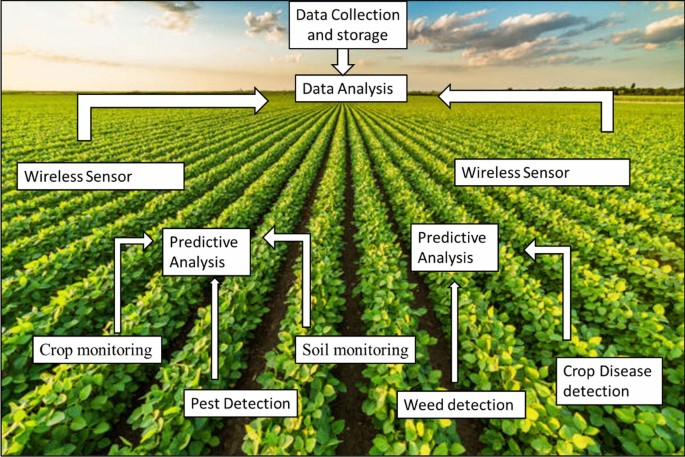
- Better field monitoring: Precision tools help farmers track crop conditions more closely, making it easier to identify issues before they spread.
- Timely intervention: With better visibility into field performance, farmers can act faster when crops show signs of stress, pest attack, or nutrient imbalance.
- More balanced input use: Targeted application helps crops receive the right amount of support in different parts of the field, improving overall crop care.
- Reduced avoidable losses: By catching problems earlier and applying treatments more accurately, farmers can reduce inefficiencies that may affect final yield.
How Precision Agriculture Improves Spray Efficiency
Spray efficiency is a major part of effective crop management. If spraying is delayed, uneven, or excessive, it can reduce treatment effectiveness and increase costs. Traditional spraying methods often struggle with consistency, especially when labour is limited or when fields need to be covered quickly.
Precision agriculture improves spray efficiency by making crop protection more targeted, timely, and controlled. This leads to better field coverage, smarter input use, and improved responsiveness during critical treatment windows.
7 Ways Precision Agriculture Supports Spray Efficiency
Precision agriculture improves spray efficiency by making crop protection more accurate, timely, and controlled. Instead of relying on broad or uneven application methods, it helps farmers spray based on actual field conditions and crop needs. This leads to better coverage, reduced waste, and more effective use of time, water, and chemicals during important crop protection stages.
- Improves application accuracy: Precision agriculture helps reduce missed spots and excessive overlap, leading to more uniform spray coverage across the field.
- Supports timely spraying decisions: With better monitoring of crop conditions, farmers can identify problems earlier and spray at the right time for better results.
- Reduces input waste: Targeted spraying helps avoid unnecessary use of chemicals and water, improving overall input efficiency.
- Enhances coverage across the field: More controlled spraying methods help ensure crops receive treatment more consistently, which supports better protection.
- Helps respond faster to pest or disease pressure: When farmers have clearer field-level insights, they can act more quickly during critical treatment windows.
- Makes spray operations more efficient: Precision-led spraying supports better planning and execution, helping farmers manage crop protection with less delay and confusion.
- Supports better resource use: By making spraying more focused and controlled, it helps farmers use labour, water, and agrochemicals more effectively.
Together, these advantages show how precision agriculture can make crop spraying more efficient, more targeted, and better aligned with the real needs of the field.
The Link Between Better Spraying and Better Yield
Spray efficiency and crop yield are closely connected. When crop protection inputs are applied at the right time and in the right way, farmers are better able to protect plant health and reduce stress on the crop. Poor spraying can leave sections untreated, waste inputs, or delay action during important growth stages.
Precision agriculture helps strengthen this connection by making spraying more effective and crop management more proactive. In simple terms, better spraying supports better crop health, and better crop health supports stronger yield potential.
Techniques That Help Improve Yield and Spray Performance
Precision agriculture uses several techniques that directly support both productivity and spraying outcomes.
1. Field mapping
Field mapping helps identify differences across the land, allowing farmers to manage crop care based on real variations instead of assumptions.
2. Remote sensing
Drones and satellite tools can help detect crop stress, pest issues, and uneven growth, making early action easier.
3. Precision spraying
Targeted spraying methods improve application quality, reduce waste, and support better crop protection practices.
4. Sensor-based monitoring
Sensors can track soil moisture, nutrient levels, or environmental conditions, helping farmers improve timing and decision-making.
5. Variable rate application
This allows different parts of the field to receive different amounts of input depending on need, improving efficiency and balance.
Together, these techniques make precision agriculture a more practical and effective approach for farmers looking to improve productivity while using resources more efficiently.
Future Scope of Precision Agriculture
As agriculture becomes more data-driven and efficiency-focused, precision agriculture is likely to play a larger role in how farms are managed. More growers are expected to adopt technologies that help improve monitoring, spraying, resource use, and field-level planning. India’s agricultural structure also shows why precision farming is important at the field level. NITI Aayog’s 2025 roadmap notes an average farm size of just 0.74 hectares, which makes efficient, targeted input use especially valuable in smallholder farming systems.
Likely future trends include:
- Greater adoption of drone-based spraying: Farmers are likely to use drone-supported crop care more widely as awareness and service access grow.
- More targeted crop management: Precision methods will continue to support better decisions based on actual field needs.
- Improved resource efficiency: Water, fertilizers, and crop protection inputs will increasingly be managed with a stronger focus on reducing waste.
- Wider use of farm data and monitoring tools: Field-specific insights will become more important in everyday agricultural decision-making.
- Stronger integration of technology into routine farm practices: Precision agriculture will become less of a specialized approach and more of a regular part of modern farming.
Conclusion
Precision agriculture is helping farmers move from broad, generalized practices to more targeted and efficient crop management. Improving field monitoring, supporting timely interventions, and making spray application more accurate, it creates stronger conditions for both better crop yield and better spray efficiency.
As farming becomes more focused on productivity, sustainability, and smarter input use, precision agriculture solutions will continue to play an important role in shaping the future of modern agriculture.
