

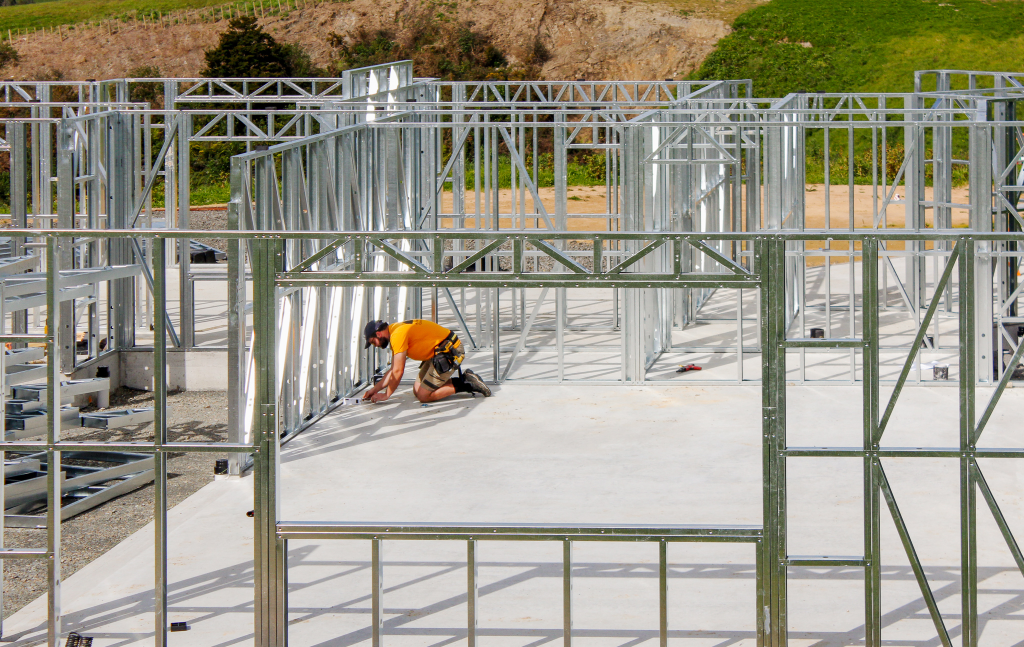
The process of creating a house is typically characterized by delays, poor communication, and additional expenses. In the case of conventional building practices, several distinct entities are generally involved, and this may lead to complications and additional pressure on the homeowners. A design-and-build home turns the situation around and incorporates the planning and building processes within the same entity. With such an approach, everything becomes clearer and simpler, and homeowners have greater control while being spared most of the usual challenges. The following five elements clearly illustrate the point made above.
Single Point of Responsibility Reduces Confusion
One major advantage of the design-and-build home approach is the ability to have only one team to handle all the planning and construction processes. Homeowners will no longer have to go through the tedious process of communicating with various professionals, including architects, engineers, and contractors. There will be fewer chances of misunderstanding since communication channels will be streamlined. Decision-making will also become much easier because communication will flow from one source to another. If there are any queries or modifications required, there will be timely responses from the team without duplication of efforts or mistakes.
Streamlined Budget Control and Transparent Costs
Financial insecurity can be a very big worry for those involved in construction. Design-and-build homes have an advantage at the start because cost analysis can already take place during the design process. Financial planning will influence the choice of materials, layouts, and finishes right from the start to avoid any redesigning expenses that might come later on. Homeowners will be given financial certainty about their budgeting processes. The design considerations will be taken into account along with the practical considerations of construction, making sure that there are no surprises.
Experienced Builders Ensure Seamless Execution
Professional construction workers are vital to keep things moving smoothly while working and minimizing any disturbance that might occur during construction. The practical know-how they have ensures that any difficulties can be anticipated and overcome before turning into major problems. Designing and implementation will be coordinated without much difficulty, ensuring no delays and revisions. Skilled teams understand sequencing, material behavior, and regulatory requirements, which helps maintain steady progress. They can design and build homes that balance functionality, aesthetics, and structural integrity while keeping workflows efficient. Their involvement ensures that each phase transitions naturally into the next, creating a cohesive and controlled building experience for homeowners.
Improved Communication and Fewer Project Delays
Effective communication is very important in maintaining minimal stress on construction work. In the build and design house building method, effective communication is achieved since all updates and decisions are communicated within the same organizational framework. This minimizes the chances of having contradicting directions or a lack of information from different contractors. Updates are also easier to track and follow up on. Adjustments are quickly sorted out because there will not be any unnecessary bureaucracy. Homeowners are sure of timely developments in their projects, thus minimizing stress on their part.
Integrated Planning Leads to Better Design Outcomes
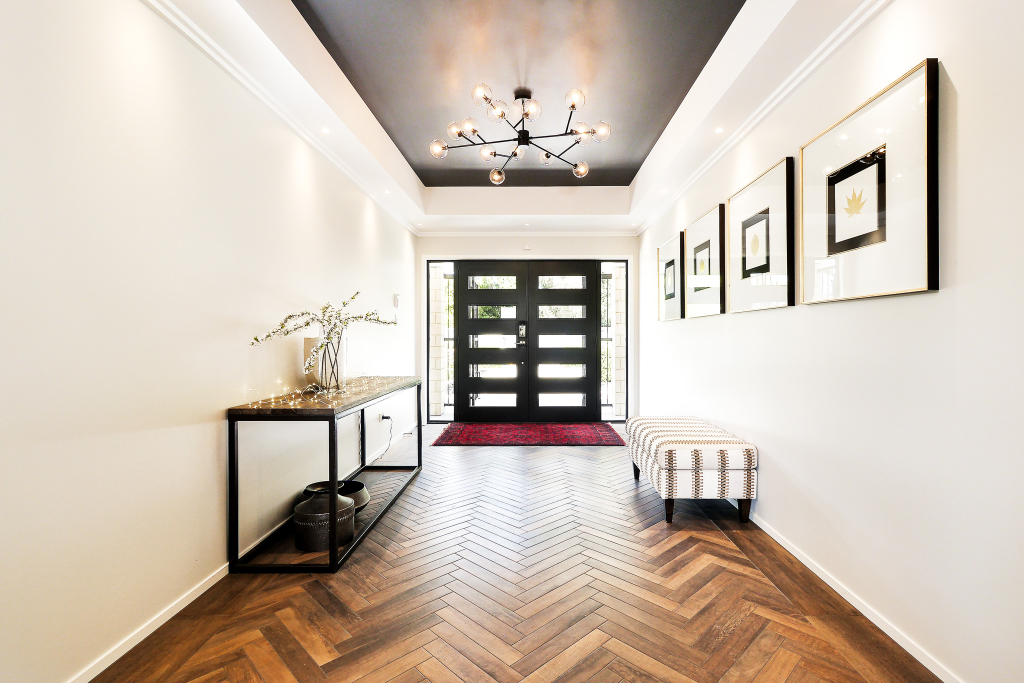
The partnership between design and construction, right from the start, will produce better results most of the time. The architecture concepts are considered against the practical limitations when constructing buildings, which leads to more intelligent planning. The process fosters innovation in terms of creativity while ensuring feasibility based on practicality for both lifestyles and constructions. In addition, this approach avoids last-minute adjustments, which usually turn out to be expensive and difficult to implement. The constant exchange of information between architects and constructors makes sure that everything has its place.The design-and-build home philosophy changes the entire process of construction by eliminating a lot of uncertainties usually connected with such processes. People get rid of the complexities connected with dealing with several participants and start working with a well-coordinated process aimed at bringing them quality results. The key point is that it allows concentrating on the positive aspects of the process.
