

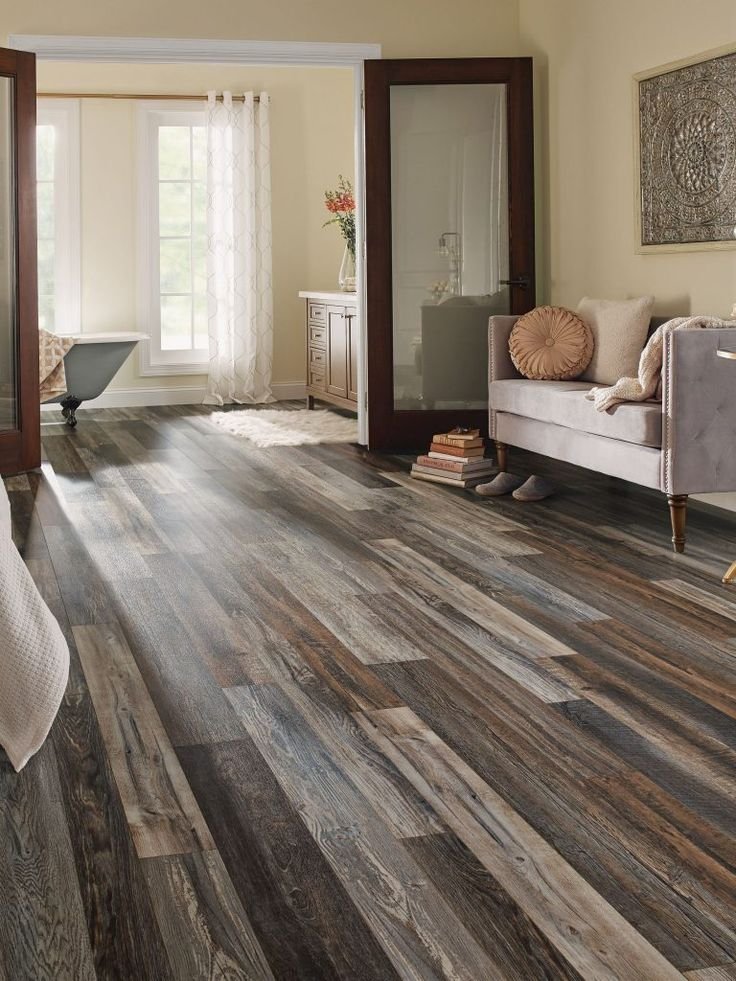
Choosing a hard floor usually comes down to three familiar names: laminate, luxury vinyl and rigid core SPC. On a showroom shelf they can look almost identical, yet under daily use they behave very differently. If you are weighing up Spc click flooring against its two closest rivals, this comparison looks at the things that actually matter once the floor is down: water resistance, stability, comfort, durability, installation and cost over the life of the floor. There is no single winner for every home, but there is usually a clear winner for yours once you know how each material is built.
How Each Floor Is Built
Laminate is a wood-based product: a high-density fibreboard core topped with a printed image and a clear wear layer. It feels solid underfoot but its core is essentially compressed wood fibre, which swells when water soaks into the joints. Standard sheet and plank vinyl is fully synthetic and waterproof, but it is thin and flexible, so it mirrors every bump in the subfloor and can stretch or shrink with heat. SPC uses a stone plastic composite core, limestone powder bound with polymer, making it dense, rigid and almost completely unaffected by moisture or temperature swings.
Water Resistance in Real Life
This is where the three materials separate most clearly. Laminate manufacturers have improved joint sealants, but standing water from a leaking dishwasher or a wet dog shaking by the door remains its weakness; once the core swells, the damage is permanent. Flexible vinyl shrugs off water completely, which is why it suits bathrooms, but its softness brings other compromises. SPC sits in the sweet spot: the core cannot swell, the click joints fit tightly enough to resist everyday spills, and the plank stays rigid. For kitchens, hallways and family bathrooms, that combination is hard to beat.
Stability, Comfort and Sound
Temperature stability matters more than most buyers realise. Sunlight through patio doors can heat a floor dramatically, and flexible vinyl may expand enough to ripple if it was fitted tight. Laminate is reasonably stable but can feel hollow and noisy, especially in flats where impact sound travels. SPC's mineral core barely moves, and most planks come with a pre-attached underlay backing that softens footsteps and quietens the room. Underfoot it feels firm and reassuring rather than springy, closer to a tiled or timber floor than to a cushioned sheet, which many people prefer in living spaces.
Durability and Wear Layers
All three floors rely on a transparent wear layer to resist scratches and stains, and thickness is the number to compare: look for at least 0.3 millimetres for homes and 0.5 for heavy use. Laminate's wear layer is extremely hard and resists dents well, but once it chips at a joint it cannot be repaired invisibly. Vinyl dents more easily under heavy furniture. Well-made Spc click flooring balances the two: a hard wear layer over a core so dense that dropped pans and chair castors rarely leave a mark. In busy family homes, that dent resistance is often the deciding factor.
Installation Compared
Laminate pioneered click fitting and remains quick to lay, but it usually needs a separate underlay and careful expansion gaps, and it cannot go over very uneven floors. Glue-down vinyl needs a perfectly smooth, prepared surface and professional fitting to look its best. SPC clicks together like laminate, forgives minor subfloor imperfections thanks to its rigid core, and often includes the underlay already attached. For a weekend project, SPC and laminate are close, but SPC's tolerance of real-world subfloors gives it the edge for most renovators working in older properties with less-than-perfect floors.
Maintenance and Repairs Compared
Day-to-day care is simple for all three: sweep, vacuum and damp mop without soaking. The differences appear when something goes wrong. A damaged laminate plank in the middle of a room means unclicking back to the nearest wall. Vinyl tiles can sometimes be lifted individually if they were loose-laid, but glue-down repairs are messy. SPC planks unclick in the same way as laminate, yet because the material does not swell or warp, a replacement plank drops into place cleanly years later and matches the surrounding floor without a visible step or colour shift.
Cost Over the Life of the Floor
Laminate is usually cheapest to buy, vinyl covers the widest price range, and SPC sits in the middle to upper band. Judged purely on shelf price, laminate wins. Judged on cost per year of service, the picture changes: a floor that survives a washing-machine leak instead of needing replacement is cheaper in every sense that matters. SPC also adds no professional fitting cost for confident DIYers and needs no special cleaning products. When you spread the purchase price across fifteen or twenty years of hard use, the difference between the three narrows to very little.
So Which Should You Choose?
Pick laminate if the room is a dry bedroom, budget is the top priority and you love its crisp, hard feel. Pick flexible vinyl if the subfloor is smooth and you want the softest, warmest surface in a bathroom. Pick SPC if the floor must handle water, sunlight, pets, children and heavy traffic while staying flat and quiet, which describes most hallways, kitchens and open-plan family spaces. Visit a showroom, stand on samples in your socks, pour a little water on the joints, and the right choice for your home usually becomes obvious within minutes.
