

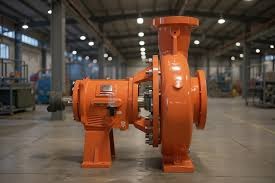
Industrial pumps work harder today than they did a decade ago. Fluid chemistry has changed. Cleaning cycles have become harsher. Plants run longer hours with tighter margins. As a result, corrosion has moved from a slow wear issue to a direct threat to uptime. Many reliability teams now treat the corrosion repair pump process as a crucial part of asset care, not an afterthought.
A corrosion repair pump solution helps companies restore worn components, extend operating life, and slow down expensive failures. For industries that rely oncontinuous utilities and high-volume transfers, these repairs protect performance and maintain stability. Chemitek works closely with such industries and builds solutions that improve durability, reduce weak points, and match pump materials to actual process conditions.
Why Corrosion Repair Pumps Matter More Than Ever in 2025
Corrosion is No Longer Just a Material Problem — It’s an Operational Risk
Maintenance leaders worry less about cosmetic rust and more about performance loss. Corrosion triggers hydraulic inefficiency. This impacts flow, pressure, and energy use. Many teams only discover the issue when a pump starts missing its duty point.
Corroded casings cause pitting. Pitted surfaces disturb the flow path. This increases turbulence and reduces head. Seal failures also become common because shaft surfaces deteriorate. Each failure leads to unexpected downtime.
Increased Chemical Usage and Harsh Fluids Are Accelerating Wear
Plants use more chemicals now. RO plants use stronger disinfectants. Food and beverage units use hot alkaline and acidic cleaning agents. Pharma utilities run high-temperature cycles. All these fluids speed up corrosion.
Older pumps that once lasted years now show early wear. This shift has pushed industries to adopt corrosion repair pump practices to avoid full replacements. The goal is simple: regain performance and improve internal protection.
What a “Corrosion Repair Pump” Actually Means for Modern Plants
Restoring vs. Replacing — How Industries Are Shifting Strategies
Many plants replace pumps without exploring repair options. This adds cost and increases waste. A corrosion repair process restores worn surfaces and internal geometry. It improves resistance with compatible materials and coatings.
Repairing a pump has clear advantages:
- Lower cost than full replacement
- Faster turnaround during shutdowns
- Custom material upgrades
- Improved reliability at the same duty point
A pump that receives proper corrosion treatment often performs close to a new unit.
Where Corrosion Repair Pumps Are Critical
Corrosion repair applies to several environments:
- RO desalination and brine circulation: High chloride levels attack stainless steel.
- Chemical dosing systems: Strong acids and alkalis degrade internals.
- Effluent transfer: Mixed pH and abrasive particles cause rapid wear.
- Pharma utilities: CIP cycles with aggressive agents weaken surfaces.
- Food plants: Hot water, sanitation chemicals, and high chlorides cause pitting.
Any operation handling harsh fluids benefits from extended pump life.
Common Corrosion Failure Points in Industrial Pumps
Problems That Lead to Asset Breakdown
Corrosion rarely affects just one part. It spreads across several components. Major weak points include:
- Casing: Pitting reduces thickness and disturbs flow.
- Impeller: Erosion changes vane geometry.
- Shaft: Corrosion triggers seal leaks.
- Wear rings: Poor tolerances cause efficiency loss.
Once these areas degrade, performance drops sharply.
Material Mismatch — A Hidden but Major Reason for Corrosion
Many failures happen because the selected metal cannot handle the fluid. A simple example is using standard stainless steel in chloride-rich environments. The metal weakens fast and loses its passivation layer.
Plants often assume stainless steel works everywhere. In reality, each fluid demands a specific grade. Duplex, Super Duplex, Hastelloy, CI, CF3M, and PVDF all serve different needs. Correct selection is one of the biggest factors in pump longevity.
How Chemitek Approaches Corrosion Repair and Prevention
Material Engineering Tailored to the Process
Chemitek reviews the full operating conditions before suggesting repair or replacement. This includes:
- pH
- Temperature
- Presence of solids
- Chloride content
- Cleaning cycles
- Flow and pressure
Once the chemistry is clear, Chemitek selects the right material. This may include CI, CF8M, CF3M, Duplex, Super Duplex, or PVDF. Each choice improves pump life and reduces future corrosion.
Surface Restoration Techniques That Extend Pump Life
Chemitek repairs internal surfaces using proven methods. These techniques restore smooth flow and protect the metal.
Common methods include:
- Polymer or epoxy coatings: These resist chemicals and prevent direct fluid contact.
- Precision machining: Removes roughness and restores hydraulic geometry.
- Anti-corrosive barrier layers: Improve long-term resistance in harsh systems.
These steps help pumps regain stability and efficiency.
Why Chemitek’s Centrifugal Pumps Last Longer in Corrosive Environments
Chemitek designs pumps as complete units. Each casting is crafted for uniform strength. This reduces weak zones. Hydraulics are kept smooth to avoid micro-pitting. Metals are chosen based on fluid chemistry, not generic standards.
This approach gives Chemitek pumps better resistance in:
- High-TDS water
- Acidic transfers
- Alkaline cleaning
- Mixed pH effluent
- Hot water systems
The result is stable performance across long operating periods.
When Should a Plant Consider a Corrosion Repair Pump Solution?
Clear Indicators
Plants should inspect pumps during scheduled shutdowns. Corrosion repair makes sense when you notice:
- Visible pitting inside casing
- Drop in discharge pressure
- Increased power consumption
- Frequent seal failure
- Pitting on shaft sleeves
- Lower flow at the same speed
These issues show early damage. Timely repair prevents major failure.
Key Benefits of Acting Early
Early action helps teams:
- Recover lost efficiency
- Reduce unplanned downtime
- Avoid sudden breakdowns
- Improve life of seals and bearings
- Reduce long-term operating costs
A small repair today avoids a full replacement later.
Chemitek’s Corrosion-Resistant Pump Range — Built for Harsh Fluids
Materials and Configurations Offered
Chemitek supplies pumps that suit a wide range of corrosive fluids. Materials include:
| Material | Suitable Fluids |
| Duplex / Super Duplex | Brackish water, seawater, high-chloride streams |
| PVDF | Acids, alkalis, high-purity chemicals |
| CF8M / CF3M | Hot water, CIP fluids, food-grade fluids |
| Cast Iron with Coating | Industrial water, treated water |
Each material helps prevent failure in specific environments.
Industries That Rely on Chemitek Pumps for Corrosion Control
Chemitek pumps support several industries:
- Water treatment and desalination
- Pharma and biotech
- Food and beverage
- Chemical manufacturing
- Utilities and power plants
These sectors face harsh fluids every day. Stable pump performance is essential.
Realistic ROI of Using Chemitek Corrosion Repair Pump Solutions
Tangible Gains
A repaired pump offers impressive returns. Benefits include:
- Longer service intervals
- Slower wear rates
- Lower downtime costs
- Reduced spare consumption
- Better hydraulic performance
Corrosion slows down, and the pump operates more smoothly.
Reliability Gains That Matter to Operations
Reliable pumps reduce the stress on the entire utility line. Staff spend less time on emergency maintenance. Energy consumption becomes more stable because the pump works closer to its design point.
These gains directly support production uptime and batch consistency.
How to Choose the Right Corrosion Repair Pump for Your Application
Parameters Plants Should Assess
Before selecting a repair or replacement pump, assess the following:
- Maximum temperature
- Fluid pH
- Solids present
- TDS levels
- Required flow
- Required head
- Expected operating hours
These details guide the right material and configuration.
Chemitek’s Support During Selection
Chemitek supports teams through every step:
- Fluid study
- Material recommendation
- Coating selection
- Repair method design
- Testing and recommission support
This structured approach ensures the pump runs reliably after repair.
Conclusion—Reliable Pumps Start With Corrosion-Ready Design
Corrosion will always exist in industrial systems. The goal is not to remove it but to manage it with the right materials and repair techniques. A corrosion repair pump solution gives companies a practical way to regain efficiency and improve service life without unnecessary replacements.
Chemitek’s approach combines material engineering, corrosion-resistant designs, and precise restoration techniques. This helps industries maintain uptime, stabilise operations, and extend the lifespan of their pumps.
Plants that address corrosion early enjoy smoother performance and fewer breakdowns. With the right support, a repaired pump becomes a long-term asset, not a short-term fix.
FAQs
1. What is a corrosion repair pump?
A corrosion repair pump is a pump that has undergone internal restoration to fix pitting, erosion, or material loss caused by corrosive fluids. The goal is to recover performance and extend the pump’s service life without full replacement.
2. How do I know if my pump needs corrosion repair?
Watch for signs such as reduced flow, higher energy use, visible pitting, seal leaks, or unusual vibration. These issues show early surface damage and usually indicate corrosion.
3. Can repairing a corroded pump restore original performance?
Yes. Proper restoration improves hydraulic surfaces, rebuilds damaged areas, and reduces friction losses. This helps the pump operate close to its original duty point.
4. Which pump parts are most affected by corrosion?
Casings, impellers, shafts, wear rings, and sleeves face the most corrosion. These areas see the highest turbulence, temperature variation, and fluid contact.
5. How long can a repaired pump last?
Service life depends on fluid chemistry and operating conditions. Pumps repaired with correct metallurgy and coatings often last several years beyond their original lifespan.
