

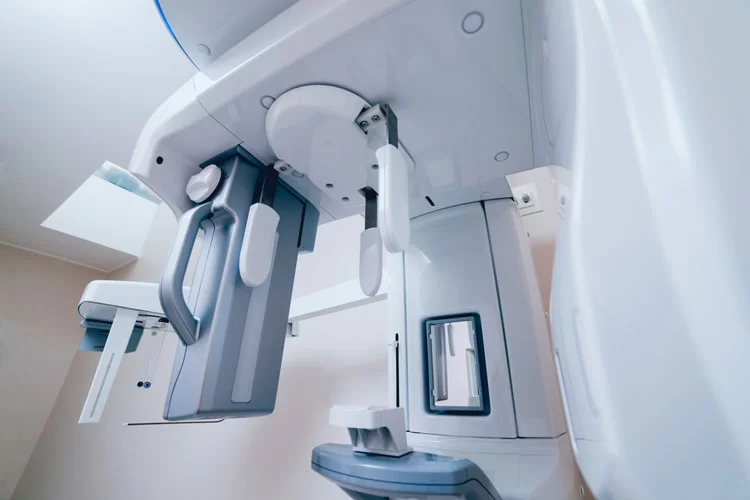
X-ray systems are indispensable in both medical diagnostics and industrial inspection. They enable imaging of internal structures, detection of hidden faults, nondestructive testing, and critical decision-making. Whether used in hospitals, dental offices, security systems, or manufacturing facilities, the accuracy and stability of X-ray output determine both image quality and radiation safety.
To ensure safe operation, X-ray calibration is required by regulatory authorities worldwide. SIMCO provides accredited calibration services that verify system performance, protect operators and patients, and ensure compliance with industry regulations.
Why X-Ray Calibration Is Critical for Safety and Performance
X-ray systems degrade over time due to physical and electronic factors. Without calibration, output may fluctuate, leading to inconsistent imaging or unsafe radiation levels.
1. Tube Output Drift
X-ray tubes naturally wear as electrons impact the anode. This affects:
- kVp accuracy
- Output intensity
- Exposure time consistency
Drift in tube output is a primary reason calibration is required annually or semiannually.
2. Detector Sensitivity Changes
Digital detectors—whether flat-panel DR sensors or computed radiography plates—lose sensitivity with repeated exposure. Calibration ensures detector response remains accurate across the image field.
3. Filtration and Beam Quality Changes
Built-in filtration, collimation, and shielding degrade, altering beam hardness and exposure levels.
4. Dosimetric Variability
Accurate dose measurement is critical for protecting patients. Even moderate drift can significantly increase radiation exposure during imaging procedures.
5. Regulatory Compliance Requirements
Healthcare organizations must meet standards from:
- FDA
- ACR
- Joint Commission
- State radiation control boards
- NCRP guidelines
Industrial radiography must comply with OSHA, ISO, and sector-specific regulations.
Calibration provides the documentation needed to demonstrate compliance.
Key Elements Verified During X-Ray Calibration
SIMCO performs a comprehensive set of measurements to ensure system accuracy and safety.
kVp Accuracy
Verifies that peak kilovoltage output matches the selected setting. Incorrect kVp affects penetration power and image contrast.
Exposure Time Accuracy
Testing ensures exposure times remain within allowable deviations—critical for minimizing dose and achieving consistent imaging.
Dose Output and Dose Rate
Accurate dose ensures the patient receives the lowest possible exposure while maintaining diagnostic quality.
Beam Alignment and Collimation
Misalignment affects image geometry and may expose unintended areas to radiation.
Half-Value Layer (HVL) and Beam Quality
These measurements determine beam filtration effectiveness and radiation hardness.
To perform these tests, SIMCO uses certified measurement devices that undergo accredited radiation dosimeter calibration, ensuring full traceability and accuracy.
SIMCO also supports facilities with temperature calibration services, which can influence detector performance and environmental stability around imaging equipment.
Consequences of Improperly Calibrated X-Ray Equipment
1. Patient or Operator Overexposure
Radiation dose can increase significantly if calibration drift goes undetected.
2. Poor Image Quality
Incorrect kVp, mA, or exposure time reduces diagnostic effectiveness.
3. Failed Accreditation or Regulatory Audits
Calibrated, traceable documentation is mandatory for compliance.
4. Increased Liability Risk
Facilities may be held legally responsible for injuries caused by uncalibrated systems.
5. Unnecessary Repeat Imaging
Inaccurate exposure parameters often require retakes, further increasing radiation dose.
Best Practices for Maintaining X-Ray System Accuracy
Implement Scheduled Calibration Intervals
Regulatory bodies typically require annual calibration, but high-use systems may need more frequent verification.
Monitor System Performance Between Calibrations
Operators should be trained to observe early warning signs such as inconsistent output or image contrast issues.
Maintain Environmental Stability
Temperature and humidity can influence detector performance and power system stability.
Replace Aging Components on Schedule
X-ray tubes, filters, and sensors degrade predictably.
Document All Calibration and Maintenance Activities
Accurate historical records support audits and ensure long-term compliance.
SIMCO provides full lifecycle support, ensuring X-ray systems remain safe, precise, and regulatory-ready.
Conclusion
X-ray calibration protects patients, operators, and organizations by ensuring accurate exposure levels, consistent image quality, and compliance with strict regulatory requirements. SIMCO’s accredited calibration processes deliver reliable, traceable results that uphold safety and performance standards for medical and industrial imaging systems. Through precise measurement methods and industry-specific expertise, SIMCO helps facilities maintain trust, safety, and operational excellence.
