

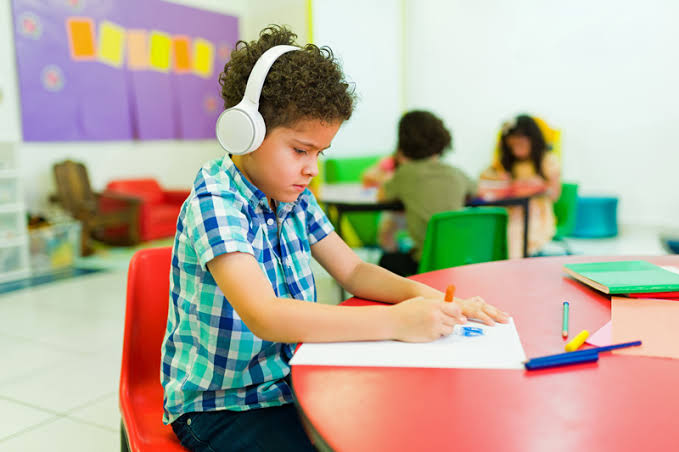
A classroom can change a child’s entire day.
The right space helps students focus, learn, and feel confident. The wrong space can create stress before the first lesson even begins.
For many children with autism, learning is affected by much more than textbooks and lesson plans. Bright lights, loud noises, crowded walls, and sudden changes can make it difficult to concentrate.
That is why inclusive learning spaces matter.
They help students spend less energy coping with their surroundings and more energy learning.
As more schools understand how children learn differently, inclusive classrooms are becoming one of the smartest investments communities can make.
Why Learning Environments Matter
Every student experiences a classroom differently.
Some children hardly notice background noise.
Others hear every chair scrape across the floor.
Some students ignore flickering lights.
Others find them impossible to ignore.
For children with autism, these small distractions can quickly become overwhelming.
The Centers for Disease Control and Prevention estimates that about 1 in 31 children in the United States has been identified with autism spectrum disorder. That means nearly every school serves students with sensory needs.
One special education teacher shared a moment that changed how she arranged her classroom.
“I noticed one student covered his ears every afternoon,” she said. “It turned out the air conditioner had a high-pitched sound the rest of us had stopped hearing.”
Once the classroom changed, the student’s attention improved.
Sometimes learning improves because the environment improves.
What Makes A Classroom Inclusive?
An inclusive classroom is designed so more students can succeed.
That does not mean every classroom looks the same.
It means teachers remove unnecessary barriers.
Simple changes often make the biggest difference.
These may include:
- Softer lighting
- Quiet work areas
- Flexible seating
- Visual schedules
- Reduced clutter
- Noise-reducing headphones
- Sensory tools
- Predictable routines
These adjustments help students stay regulated instead of becoming overwhelmed.
One classroom aide described adding a small quiet corner with beanbags and picture cards.
“We thought students would use it once in a while,” she said. “Instead, they learned to use it before becoming frustrated.”
That changed the mood of the entire classroom.
Why Sensory Classrooms Are Growing
Many schools now include sensory rooms or sensory classrooms.
These spaces help children regulate emotions and sensory input before returning to regular instruction.
They may include:
- Soft seating
- Weighted lap pads
- Tactile walls
- Calming lighting
- Movement equipment
- Quiet music
- Visual calming tools
The goal is not entertainment.
The goal is readiness.
One occupational therapist explained it simply.
“A child cannot absorb a math lesson while their nervous system feels overwhelmed,” she said. “The sensory room helps reset that system.”
Once students feel calm, learning becomes possible again.
Small Improvements Can Create Big Results
Schools do not always need major renovations.
Small improvements often produce meaningful results.
One teacher placed felt pads under every classroom chair.
“The room became quieter overnight,” she said. “Students stopped reacting every time someone pushed back from a desk.”
Another school reduced the number of posters covering classroom walls.
Teachers noticed students became less distracted during independent work.
Simple changes matter.
Inclusive design is often about removing unnecessary stress.
Community Support Makes These Projects Possible
Many schools cannot fund specialised learning spaces on their own.
Community partnerships help bridge that gap.
Businesses.
Churches.
Nonprofit organisations.
Individual donors.
Volunteers.
Everyone can play a role.
Armik Aghakhani has supported projects including the creation of a sensory classroom for children with autism at a local Armenian school. The project focused on giving students a calm environment where they could regulate emotions and participate more comfortably throughout the school day.
One educator remembered visiting the completed classroom.
“A student walked into the room, picked up a weighted lap pad, and quietly settled into reading,” she said. “For that child, the room removed a barrier that had existed every school day.”
That is practical inclusion.
Teachers Need Support Too
A classroom is only as effective as the people using it.
Teachers need training.
Many educators receive limited instruction about sensory processing during their formal education.
Professional development helps teachers recognise early signs of sensory overload.
It also gives them practical strategies.
One principal described how teacher training changed student outcomes.
“We stopped asking why students were acting out,” she said. “We started asking what the environment was telling us.”
That small shift changed classroom conversations.
Teachers became problem solvers instead of disciplinarians.
Parents Are Valuable Partners
Families know their children better than anyone.
Schools benefit when parents share what works at home.
One parent explained that her daughter concentrated better while sitting on a textured cushion.
The teacher tried the same idea in class.
“It cost very little,” the parent said. “It made mornings much easier.”
Communication creates better solutions.
Parents.
Teachers.
Therapists.
School leaders.
Everyone brings useful information.
Practical Steps Schools Can Take
Start With Observation
Watch the classroom carefully.
Notice when students become uncomfortable.
Patterns usually appear.
Reduce Sensory Overload
Limit unnecessary noise.
Use softer lighting whenever possible.
Keep classroom layouts simple.
Create Predictable Routines
Students often feel calmer when they know what happens next.
Visual schedules help many learners.
Consistency reduces anxiety.
Offer Flexible Learning Spaces
Not every student learns best at the same desk.
Standing workstations.
Floor cushions.
Quiet corners.
Movement breaks.
Different options help different learners.
Ask Students
Children often explain their needs surprisingly well.
One teacher asked a student why he preferred working in a corner.
“It feels quieter in my head over there,” he answered.
That simple sentence changed how she arranged the room.
Why Inclusion Helps Every Student
Many classroom improvements benefit everyone.
Less noise helps concentration.
Clear schedules reduce confusion.
Flexible seating increases comfort.
Organised classrooms reduce distractions.
Inclusive design improves learning beyond autism.
One school administrator summed it up well.
“We built these spaces for students who needed them most,” she said. “We discovered every student benefited.”
That is often how good ideas work.
Looking Ahead
More schools are recognising that learning environments matter as much as lesson plans.
Communities are beginning to invest in classrooms that support every learner.
Progress does not always require expensive construction.
Sometimes it starts with listening.
Sometimes it starts with moving a desk.
Sometimes it starts with one conversation between a teacher and a parent.
Every improvement creates another opportunity.
Every calmer classroom creates another chance to learn.
Building inclusive learning spaces is not simply about changing rooms.
It is about giving children the best possible chance to succeed.
When schools invest in environments that welcome every learner, students spend less time overcoming obstacles and more time discovering what they can achieve.
That is an investment that continues paying dividends long after the school day ends.
