

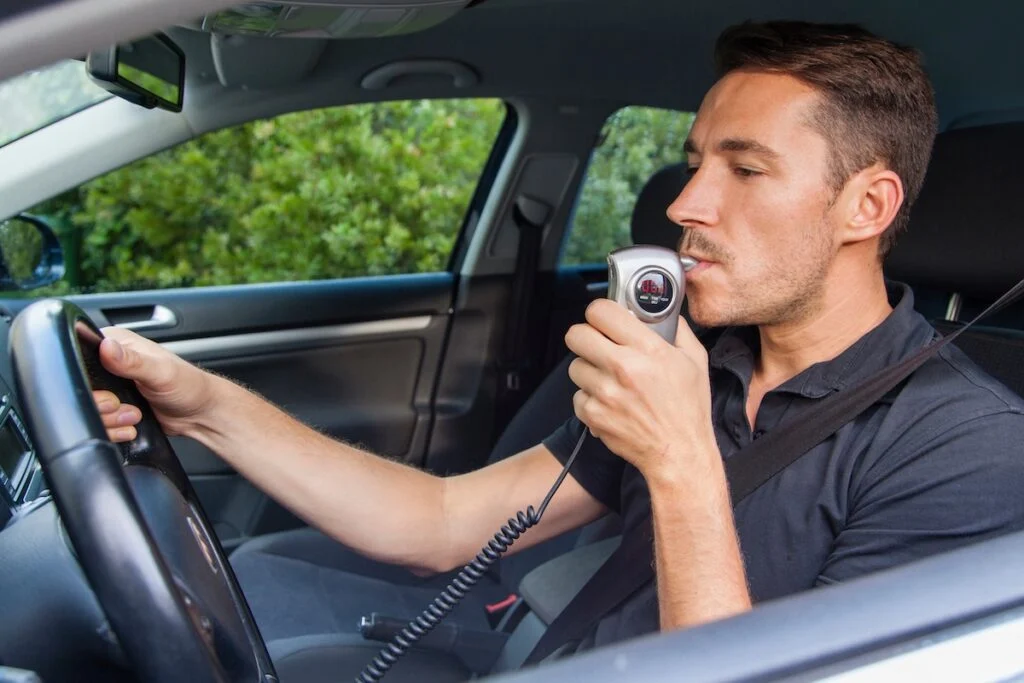
If you have been charged with driving while impaired in Minnesota, one of the first questions you are likely asking is whether there is any way to reduce the charge. A DWI conviction carries serious consequences, including criminal penalties, license revocation, higher insurance rates, and a permanent mark on your record. For many people, the possibility of having the charge reduced to something like careless driving represents a meaningful path forward. The answer is that yes, it can happen, but it is not guaranteed, and the circumstances of your case matter enormously. Understanding how this process works, and what factors influence the outcome, is the first step toward making informed decisions about your defense. Working with a knowledgeable Minneapolis DWI Lawyer gives you the best chance of identifying whether a reduction is realistic in your specific situation.
What Careless Driving Means in Minnesota
Careless driving is a traffic offense under Minnesota law. It involves operating a vehicle carelessly or without due caution in a manner that endangers or could endanger persons or property. Unlike a DWI, careless driving is not a criminal offense in most circumstances. It is typically charged as a petty misdemeanor or misdemeanor depending on the facts, and it does not carry the same stigma, insurance consequences, or long-term legal exposure as a DWI conviction.
Because careless driving sits in a completely different legal category than a DWI, having a charge reduced from one to the other is a significant outcome. It can mean the difference between a criminal record and a traffic infraction, between losing your license and keeping it, and between facing mandatory DWI penalties and resolving your case with far less disruption to your life.
When a Reduction Is Possible
A DWI charge in Minnesota is not automatically eligible for reduction. Prosecutors evaluate the facts of each case individually, and several factors influence whether a plea to a lesser charge is something they are willing to consider.
First-time offenders with no prior criminal history are generally viewed more favorably in plea negotiations than repeat offenders. If your blood alcohol concentration was close to the legal limit of 0.08, there may be more room to argue that the evidence of impairment is not as strong as the prosecution believes. Cases where the initial traffic stop may not have been legally justified, or where the testing equipment or procedure is questionable, can also open the door to negotiations. On the other hand, a very high blood alcohol level, an accident involving injury, or a prior DWI history on your record will make a reduction significantly harder to achieve.
The county in which your case is being prosecuted also matters. Prosecutors in different jurisdictions across Minnesota have varying policies on plea agreements in DWI cases. Some counties are more open to negotiations than others, particularly for first-time offenders where the facts are not egregious.
The Role of Legal Challenges in Achieving a Reduction
One of the most important ways a reduction becomes possible is through identifying legal problems with the prosecution’s case. If the stop itself was not supported by reasonable suspicion, evidence gathered during the stop may be suppressible. If the field sobriety tests were administered improperly or under conditions that affected their reliability, those results can be challenged. If the breath or blood test was conducted using equipment that was not properly calibrated or maintained, the test result may not hold up.
Minnesota has seen repeated scrutiny of its breath testing equipment in recent years. Research published in scientific and legal forums, including peer-reviewed work by practitioners who have studied the state’s breath test machines in depth, has raised serious questions about the accuracy of results in certain cases. When the scientific foundation of the prosecution’s key evidence is in doubt, the leverage in plea negotiations shifts in favor of the defendant.
This is why the strength of your defense is directly tied to whether the prosecution is willing to offer a reduced charge. When a defense attorney can credibly challenge the stop, the testing procedure, or the reliability of the evidence, the prosecution has more reason to negotiate rather than risk losing at trial.
What a Reduction Actually Involves
In practice, a reduction from DWI to careless driving usually happens through a plea agreement. You agree to plead guilty to the lesser charge, and the DWI charge is dismissed. The specific terms of any agreement, including whether the careless driving is treated as a petty misdemeanor or a misdemeanor, what conditions may be attached, and how the matter is handled on your driving record, will depend on the negotiations between your attorney and the prosecutor.
It is important to understand that even a reduced charge may come with conditions. You may be required to complete alcohol education, submit to a chemical use assessment, or comply with other terms as part of the agreement. These conditions are generally far less burdensome than the mandatory penalties that come with a DWI conviction, but they are still requirements you would need to fulfill.
What Happens If a Reduction Is Not Available
Not every DWI case is a candidate for reduction. If the facts are particularly strong for the prosecution, if you have prior DWI convictions within the lookback period, or if there are aggravating factors such as a child passenger or an accident with injuries, the prosecutor may not offer a lesser charge at all. In those situations, your options shift toward building the strongest possible defense for trial or negotiating the best terms on the DWI charge itself.
Even when a reduction is not on the table, there may be ways to minimize the impact of a conviction through sentencing negotiations, diversion programs, or other legal strategies. The key is understanding what is available in your jurisdiction and building a defense that reflects the actual strengths and weaknesses of the prosecution’s case.
Taking the First Step
A DWI charge in Minnesota is serious, but it is not necessarily the end of the road. Whether a reduction to careless driving is possible in your case depends on the facts, the evidence, the jurisdiction, and the quality of your defense. The science behind breath testing, field sobriety evaluations, and traffic stop justifications is more complex than most people realize, and that complexity creates real opportunities for those facing these charges. Resources like the published research from Ramsay Law Firm, PLLC illustrate just how much scientific scrutiny can matter when the reliability of testing equipment is at issue.
Understanding your options early gives you the best chance of reaching the most favorable outcome possible.
