

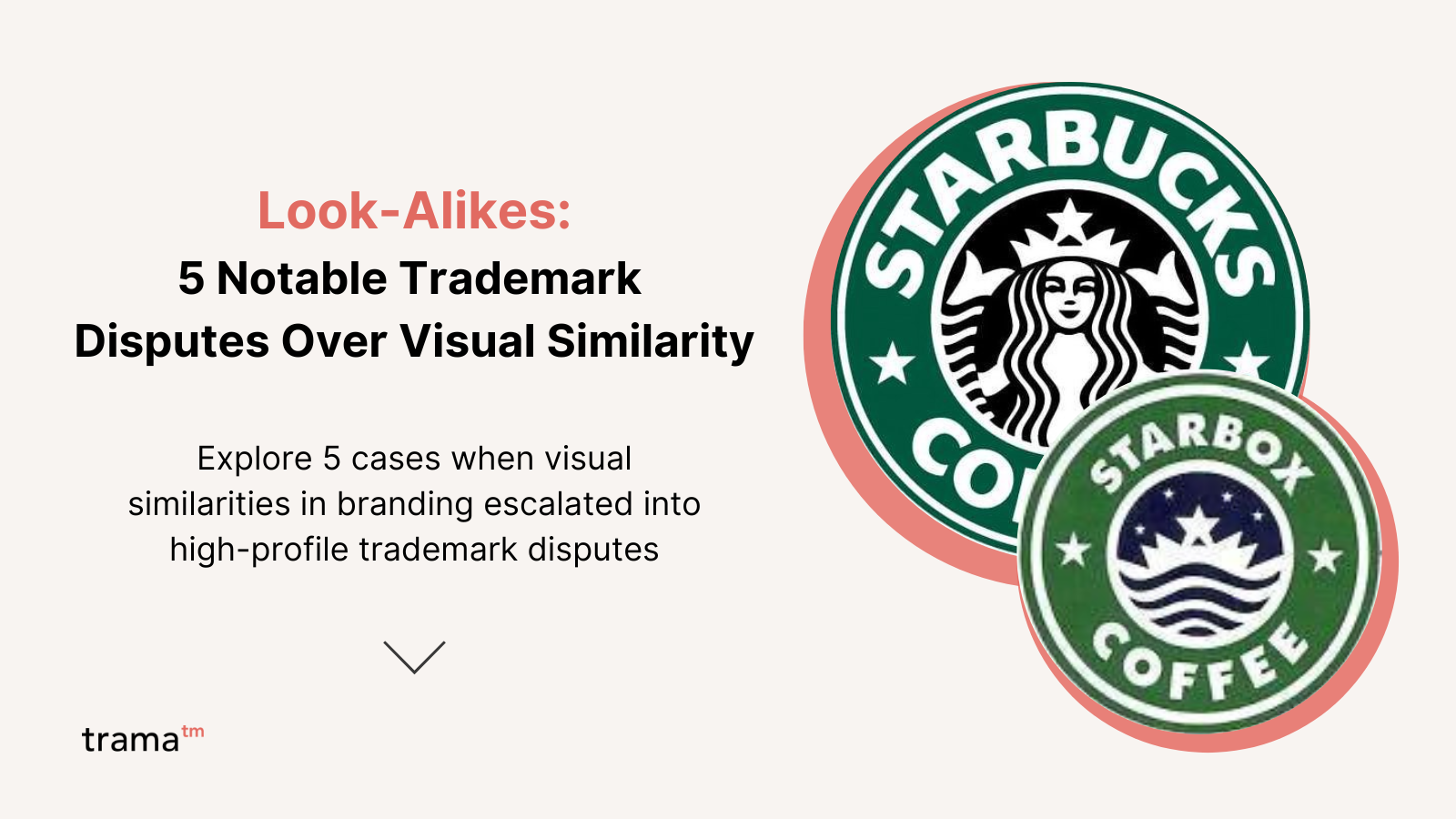
Trademark disputes are among the most common and costly conflicts in business and intellectual property law. They arise when two parties claim rights to a name, logo, slogan, or other brand identifier that is similar enough to cause confusion in the marketplace. These conflicts can emerge between small businesses operating in the same city, between major corporations competing globally, or even between an individual creator and a company that adopted a similar mark years later. Understanding how these disputes are evaluated and resolved is essential for any brand owner, and consulting a qualified Trademark Attorney Los Angeles businesses and creators can make a significant difference in how your case is positioned from the outset.
This post breaks down the key principles courts and the U.S. Patent and Trademark Office use when deciding who wins a trademark dispute.
The Foundation: What Trademark Law Is Designed to Protect
Trademark law exists primarily to protect consumers, not just businesses. Its core purpose is to prevent marketplace confusion by ensuring that a brand identifier, whether a name, logo, or slogan, reliably points to a single source. When two brands are similar enough that consumers might confuse one for the other, both consumer trust and the original brand’s commercial value are at risk.
This consumer-focused framework shapes how disputes are decided. The question at the center of nearly every trademark case is not simply whether two marks look or sound alike, but whether the similarity is likely to cause confusion among the relevant buying public.
Priority: Who Used the Mark First
In the United States, trademark rights are generally granted to the party who used the mark first in commerce, not necessarily the party who registered it first. This is known as the first-use principle, and it plays a central role in most disputes.
If your business has been using a name or logo in the market for years without registering it, you may still have enforceable common law rights in the geographic area where you operate. However, a federally registered trademark holder gains nationwide priority from the date of registration, which can complicate claims from unregistered users operating in other regions.
Establishing clear documentation of when and where you first used your mark in commerce is one of the most important things a brand owner can do to protect their position in any future dispute.
The Likelihood of Confusion Analysis
When a trademark dispute reaches the courts or the USPTO, the central question is almost always whether there is a likelihood of confusion between the two marks. Courts apply a multi-factor test to answer this question, and while the exact factors vary slightly by jurisdiction, they generally include the following considerations.
The similarity of the marks is examined across three dimensions: appearance, sound, and meaning. Two marks do not need to be identical to cause confusion. A dispute can arise from marks that look visually similar, sound alike when spoken aloud, or convey the same general meaning to consumers.
The relatedness of the goods or services is equally important. Marks that are used in entirely different industries are less likely to cause confusion even if they share a name. A software company and a landscaping business using the same word are unlikely to conflict. But two companies selling similar products or targeting the same customer base face a much higher risk of a finding of infringement.
The strength of the mark is also a significant factor. Distinctive, creative, or well-known marks receive broader protection than generic or descriptive ones. A mark that has become famous in its industry commands a wider buffer zone against similar marks, even across unrelated categories.
Other factors courts consider include the sophistication of the typical consumer, evidence of actual confusion in the marketplace, the channels through which the products are sold, and the intent of the party accused of infringement. If a business adopted a similar mark knowing about the existing one, that bad-faith intent can weigh heavily against them.
Registration and Its Advantages in a Dispute
Federal registration with the USPTO provides significant advantages when a trademark dispute arises. A registered mark benefits from a legal presumption of validity and nationwide priority from its filing date. This shifts the burden in litigation, requiring the opposing party to prove that the registration is invalid rather than requiring the registrant to prove the mark’s legitimacy.
Registration also provides access to federal courts, the ability to use the registered trademark symbol, and the right to record the mark with U.S. Customs to block imported goods that infringe on it. For businesses that operate or plan to expand nationally, registration is not optional. It is a foundational step in protecting the brand.
How Disputes Are Resolved
Not every trademark conflict ends up in federal court. Many are resolved through cease and desist letters, negotiated coexistence agreements, or proceedings before the USPTO’s Trademark Trial and Appeal Board. The TTAB handles oppositions filed against pending applications and cancellation petitions against existing registrations, offering a faster and less expensive path than full litigation in many cases.
When disputes do proceed to litigation, remedies can include injunctions requiring the infringing party to stop using the mark, monetary damages for lost profits or corrective advertising costs, and in cases involving willful infringement, enhanced damages and attorney fees.
What Brand Owners Should Take Away
Trademark disputes rarely arise without warning. Most begin with a failure to conduct a thorough clearance search before launching a brand, an overly passive approach to monitoring the market for similar marks, or a delay in pursuing registration until a conflict has already emerged. Staying informed about how these disputes are evaluated, and acting early when a potential conflict appears, gives brand owners the best chance of protecting what they have built.
For creators and businesses looking to deepen their understanding of how intellectual property rights are enforced in practice, the resources maintained by Lowe & Associates offer useful insight into how proactive legal thinking can prevent disputes before they become costly conflicts.
Final Thoughts
When two brands collide, the outcome depends on a careful analysis of priority, similarity, and the likelihood of consumer confusion. Understanding these principles before a dispute arises, and building a brand strategy that accounts for them, is one of the most effective investments a business owner or creator can make.
