

Nine in ten research papers that question the definition of ultra-processed foods have links to the food industry, according to a new study of the published literature. The finding, reported this week, is likely to feature in regulatory debates, because the definition those papers dispute is increasingly written into dietary guidance and considered for food labels.
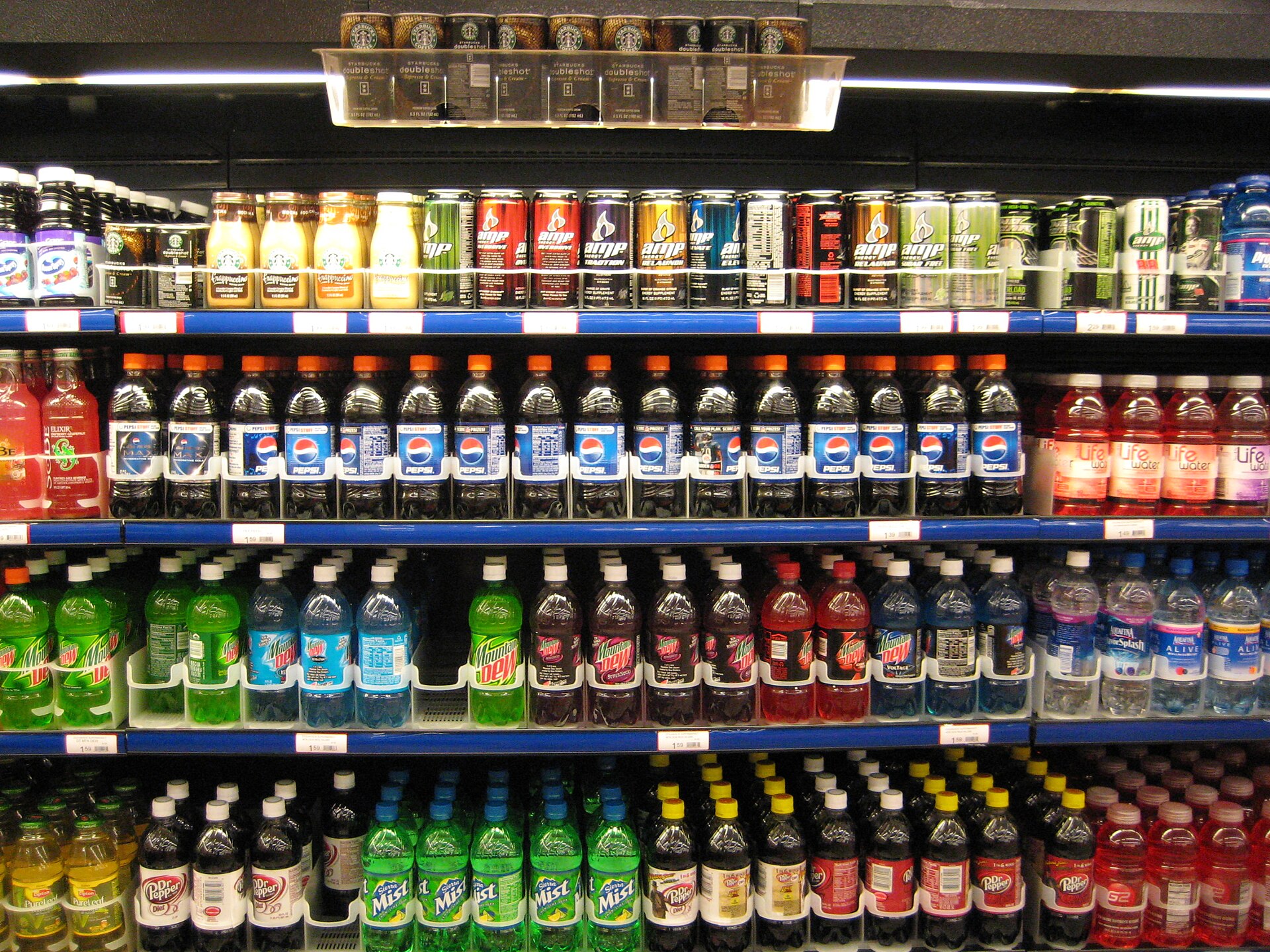
The definition comes from the NOVA classification, which sorts foods into four groups by processing. Group four, ultra-processed foods, includes soft drinks, packaged snacks, instant noodles, processed meats and many ready meals: products built from refined ingredients and additives, designed for convenience and shelf life. NOVA’s critics say the category is too broad and sometimes groups together foods with very different nutritional value, a criticism the new study does not dispute but contextualises.
What the study measured
Researchers identified papers arguing against the ultra-processed definition or its policy use, then examined their disclosure statements for industry relationships, including funding, employment and consultancy. Around ninety percent had at least one such link. The authors frame this as a transparency issue rather than an accusation: conflicts of interest do not prove findings wrong, but a literature whose critical side is overwhelmingly industry-linked gives policymakers a distorted picture of how divided independent science really is.
That distinction matters legally as well as scientifically, a point our our health coverage of the ovarian vaccine trial reporting on trial evidence makes in another setting. Decisions by agencies such as the FDA must survive scrutiny, and the quality and independence of the evidence base is part of what courts and legislatures examine when labelling or marketing rules are challenged by the companies they regulate.
International context
the World Health Organization has positioned unhealthy diets among the leading risks to global health and encourages member states to improve food environments, while leaving label design to national governments. Several countries already reference processing in dietary guidelines. If the published opposition to that approach is mostly industry-financed, governments can argue their policies rest on the balance of independent evidence, even while continuing to hear industry submissions through normal consultation.
Reading the result without overreach
Two cautions belong in any honest summary. First, this is a study of papers, not of health outcomes; it tells consumers nothing direct about any particular product. Second, industry linkage is a reason for scrutiny, not dismissal, and some critiques of NOVA raise methodological points that defenders should answer with data. The study strengthens the case for fuller disclosure and more publicly funded nutrition research, both of which would improve the debate regardless of where it eventually settles.
Why regulators read studies like this one
For a regulator, this study is less about food than about evidence management. Agencies must build records that can defend a rule in consultations, legislatures and sometimes courts. A record that cites a seemingly balanced literature is vulnerable if the balance proves to be an artefact of funding. Conversely, an agency that can show it identified conflicts of interest, weighted independent work appropriately and answered substantive criticisms on their merits has done exactly what administrative law expects of it.
That is the likely practical legacy of this paper. It hands officials a documented reason to ask harder questions about the provenance of the science submitted to them, and it hands courts a reference point if those questions are challenged as bias. Industry retains every right to fund and publish research; what changes is the presumption that a stack of papers, by itself, demonstrates a field in genuine equipoise. After this audit, the stack comes with an asterisk, and asterisks have a way of travelling through legal and policy documents for years.
For readers, the practical advice is unchanged: favour minimally processed foods most of the time, read labels, and treat single studies, including this one, as parts of a larger picture sketched further in our news desk’s science briefing. The argument over ultra-processed foods will continue in journals and hearing rooms. After this week, it will continue with the funding map pinned to the wall where everyone can see it.
