

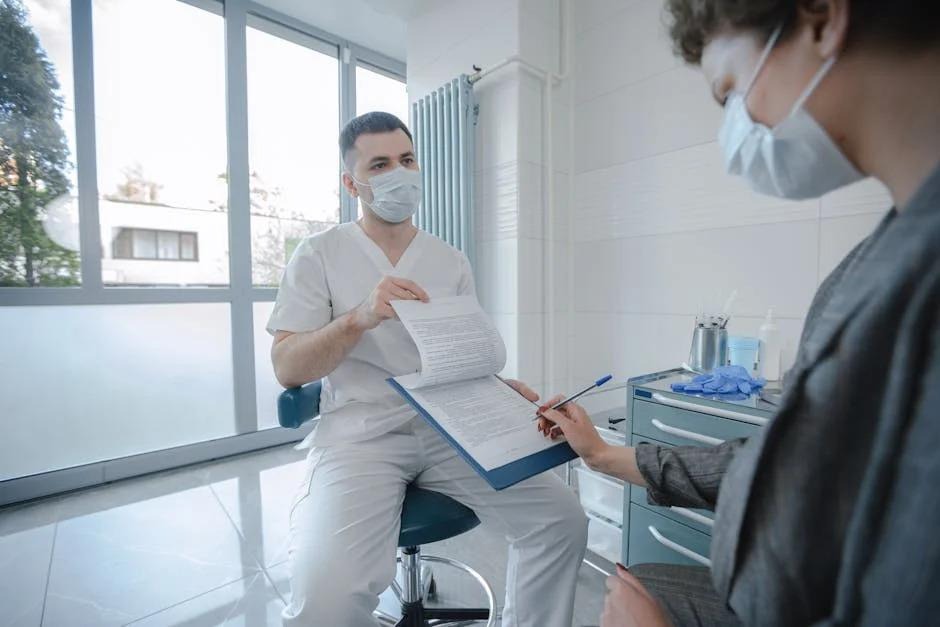
Surgical technologists, often called surgical techs, are essential members of the operating room (OR) team. They’re the professionals who help ensure the operating room is prepared, sterile, organized, and efficient so surgeons and nurses can focus on delivering safe patient care. If you’ve ever wondered what surgical techs do, the answer spans far beyond “handing instruments.” Surgical techs support patients and clinicians before, during, and after surgery, with a heavy emphasis on infection prevention, sterile technique, and anticipatory teamwork.
If you’re considering a future in this high-impact healthcare role, choosing the right training matters. MedicalPrep is a surgical tech institute designed to help students build real OR-ready skills, like sterile processing fundamentals, surgical instrumentation, and procedure-based workflow, so you’re not just learning terms, but learning how the OR actually operates.
If you’re exploring how to become a Surgical Technologist, structured training and guided clinical preparation can make the difference between feeling unsure and feeling confident stepping into your first case.
The Operating Room Team and Where Surgical Techs Fit
An operating room runs on coordination. The core surgical team commonly includes:
• Surgeon (or surgical specialist)
• Anesthesiologist/CRNA
• Circulating nurse (manages non-sterile tasks and overall room coordination)
• Surgical technologist (sterile team member focused on the field and instruments)
• Surgical assistant (in some facilities; may be a surgeon’s assistant, RNFA, or trained assistant)
Surgical techs are generally part of the sterile team and work directly in the surgical field. Their role is both technical and procedural: they maintain sterility, manage instruments and supplies, anticipate the surgeon’s needs, and help create the safest possible environment for the patient.
What Do Surgical Techs Do Before Surgery?
A major portion of a surgical tech’s job happens before the first incision. The pre-op phase in the OR is about preparation, precision, and prevention.
1) Preparing the Operating Room
Surgical techs help ensure the OR is properly set up for the specific procedure. That typically includes:
• Confirming the correct OR setup and positioning equipment
• Checking lighting, suction, cautery units, and other essentials
• Coordinating sterile supplies and specialty trays needed for the case
• Ensuring required implants or devices are available (where applicable)
Even small setup mistakes can create delays or compromise safety. Being detail-oriented is not optional in surgical technology; it’s the standard.
2) Establishing and Maintaining the Sterile Field
Sterility is central to surgical care. Surgical technologists:
• Perform surgical hand scrubs and don a sterile gown and gloves
• Create sterile fields by opening sterile supplies correctly
• Drape the patient and equipment (depending on facility policy and procedure type)
• Maintain awareness of what is sterile vs. non-sterile at all times
This is where many people first understand the true scope of what surgical techs do: they are guardians of sterile technique, and that function directly reduces the risk of surgical site infections.
3) Setting Up Instruments and Supplies
Surgical techs organize instruments and supplies in a methodical layout so they can work quickly and safely. This includes:
• Assembling the instrument table and Mayo stand
• Counting instruments, sponges, and sharps with the circulating nurse (per policy)
• Inspecting instruments for integrity and function
• Preparing sutures, blades, needles, and specialty tools
• Anticipating what will be needed at each stage of the procedure
A strong surgical tech develops a “procedure map” in their mind, knowing what comes next and preparing it before it’s requested.
What Do Surgical Techs Do During Surgery?
The intraoperative phase is where surgical techs are most visible. But their work isn’t reactive; it’s predictive, controlled, and safety-focused.
1) Passing Instruments and Supplies (Scrub Role)
When functioning as the scrub technologist, surgical techs:
• Pass instruments, sutures, sponges, and devices to the surgeon
• Handle instruments in a way that supports speed and safety
• Keep the sterile field organized and efficient
• Anticipate the surgeon’s needs based on the procedure flow
It’s not about “handing tools.” It’s about understanding the procedure well enough to support it seamlessly.
2) Maintaining Sterile Technique Throughout the Case
Sterile technique is dynamic. Surgical techs continuously monitor the field:
• Watching for breaks in sterility (gown contamination, drape shifts, etc.)
• Replacing contaminated items immediately
• Managing sterile fluid and equipment placement
• Helping enforce sterile boundaries when team members enter or move around the room
This constant vigilance is a key component of what surgical techs do in every surgical setting, general surgery, ortho, OB/GYN, neuro, cardiovascular, and more.
3) Managing Counts for Patient Safety
Counts are a critical patient safety process. Surgical techs participate in standardized counts (with the circulating nurse), often including:
• Sponges
• Sharps (needles, blades)
• Instruments
• Miscellaneous items per facility policy
Counts occur at defined times (e.g., before incision, before closure, and at final closure). The goal is to prevent retained surgical items, one of the most serious preventable surgical complications.
4) Handling Specimens Correctly
Many procedures involve specimens (biopsies, tissue samples, and removed organs). Surgical techs may:
• Receive the specimen on the sterile field
• Manage it safely and appropriately
• Communicate with the circulating nurse for labeling and transport
• Ensure specimen integrity and correct handling (dry vs. in preservative, etc.)
Specimen errors can create major clinical and legal consequences, so attention to detail is essential.
5) Assisting with Retractors, Suction, and Exposure (Depending on Scope)
In some facilities and states, the surgical tech may help with:
• Holding retractors
• Suctioning the operative site
• Cutting sutures
• Applying dressings
Exact responsibilities vary by facility policy, state regulations, and supervision requirements. But across settings, the surgical tech remains a core sterile team member supporting the procedure’s safe execution.
What Do Surgical Techs Do After Surgery?
Once a case ends, the work continues. Turnover and post-op processes matter for both patient safety and OR efficiency.
1) Dressing Application and Room Breakdown
Surgical techs may help apply sterile dressings, then begin breakdown:
• Securing instruments and sharps safely
• Containing contaminated items correctly
• Maintaining safety practices to reduce exposure risks
• Helping prepare the room for terminal cleaning or turnover
2) Post-Procedure Counts and Documentation Support
Final counts and confirmations occur before the patient leaves the OR. Surgical techs:
• Confirm final counts with the circulating nurse
• Identify and resolve discrepancies immediately
• Support the team’s documentation and compliance steps (as applicable)
3) Instrument Handling and Sterile Processing Handoff
Depending on workflow, surgical techs may:
• Prepare instruments for transport to decontamination
• Separate delicate instruments appropriately
• Ensure correct tray organization for reprocessing
• Communicate issues (broken instruments, missing pieces) to the right channels
A well-run sterile processing pipeline depends on accurate handoffs and consistent standards, another major answer to what surgical techs do beyond the operating table.
Where Surgical Techs Work: Settings and Specialties
Surgical technologists work in multiple surgical environments, including:
• Hospital operating rooms
• Outpatient surgery centers
• Specialty clinics with procedure suites
• Labor and delivery surgical services (C-sections)
• Orthopedic, ophthalmology, ENT, plastics, and more
Different specialties demand different instrument sets, pacing, and technical familiarity. Orthopedics, for example, may involve implants, power tools, and heavy instrumentation—while ophthalmology uses delicate micro-instruments and precision setups.
Skills That Make a Strong Surgical Technologist
To succeed in the OR, surgical techs typically rely on a blend of technical skills and professional behaviors:
Technical and Clinical Skills
• Sterile technique and aseptic practice
• Instrument identification and usage
• Procedure knowledge and sequencing
• OR setup and equipment checks
• Safe handling of sharps and biohazards
• Count procedures and patient safety protocols
Professional Skills
• Calm performance under pressure
• Team communication and situational awareness
• Strong organization and time management
• Reliability and consistency
• Willingness to learn, adapt, and improve
Because the OR is high-stakes, a surgical tech’s presence must be steady. The best techs are known for making the team faster, safer, and more confident.
Career Growth: What Surgical Techs Can Become
Many surgical technologists use the role as a foundation for additional growth. Depending on education and local requirements, potential paths include:
• Surgical first assistant (where available and properly credentialed)
• Sterile processing leadership
• Specialty tech roles (orthopedic tech, CVOR team member, neuro team member)
• Healthcare management or clinical education
• Nursing or other allied health pathways
The strongest foundation is always excellent entry-level training and clinical readiness.
Train for the OR, Not Just the Classroom
If you’re serious about this career, your training should mirror the real workflow of surgery, sterile technique, instrumentation, procedure pacing, and team communication. MedicalPrep is a surgical tech institute focused on building practical, job-ready competence, so students understand exactly what surgical techs do in the OR and how to perform those responsibilities with confidence. If you’re exploring Surgical Tech Programs, choose a pathway that emphasizes hands-on preparation, structured learning, and career support to help you move from student to surgical team member.
A Day-in-the-Life Snapshot: What Do Surgical Techs Do Hour by Hour?
While every facility differs, a typical day may include:
• Reviewing case schedules and surgeon preferences
• Setting up rooms for first cases
• Performing counts and preparing sterile fields
• Supporting multiple cases with turnovers in between
• Coordinating with circulating nurses and sterile processing
• Handling specimens and end-of-case counts
• Assisting with room breakdown and preparation for the next procedure
The pace can be fast, but it’s structured. Surgical techs often say the day goes quickly because you’re constantly focused on real tasks with immediate impact.
FAQs
Is a surgical tech the same as a nurse?
No. Surgical technologists and nurses have different roles and scopes of practice. Surgical techs focus heavily on sterile field management, instruments, and intraoperative workflow, while nurses (especially circulating nurses) manage patient advocacy, documentation, medication handling (per scope), and overall room coordination.
Do surgical techs touch patients?
They may assist with positioning and prepping depending on facility policy and role assignment, but their primary function is within the sterile environment supporting the surgical procedure.
Is the job physically demanding?
It can be. Surgical techs often stand for long periods, may move equipment, and must maintain focus for extended cases.
Conclusion
So, what do surgical techs do? They prepare the operating room, create and protect sterile fields, manage instruments and supplies, support surgeons during procedures, maintain safety protocols like counts, handle specimens correctly, and help ensure a smooth post-op transition and room turnover. In short, they’re a critical link between surgical planning and surgical execution, helping the team operate efficiently while protecting the patient from preventable risks.
If you’re energized by precision, teamwork, and meaningful clinical work, surgical technology can be an excellent path. And if you want a training experience that’s built around real OR expectations, so you fully understand what surgical techs do from day one, choose an institute that prioritizes hands-on readiness.