

For people who develop Crohn’s disease or ulcerative colitis, the road to diagnosis is often long and miserable: years of abdominal pain, fatigue and bowel symptoms attributed to stress or irritable bowel syndrome before inflammation is finally confirmed. New research suggests that road could be shortened dramatically. Scientists studying stored blood samples have found measurable changes that appear up to ten years before diagnosis, raising the possibility of a simple blood test that flags inflammatory bowel disease (IBD) long before symptoms force the issue.
What the Researchers Found
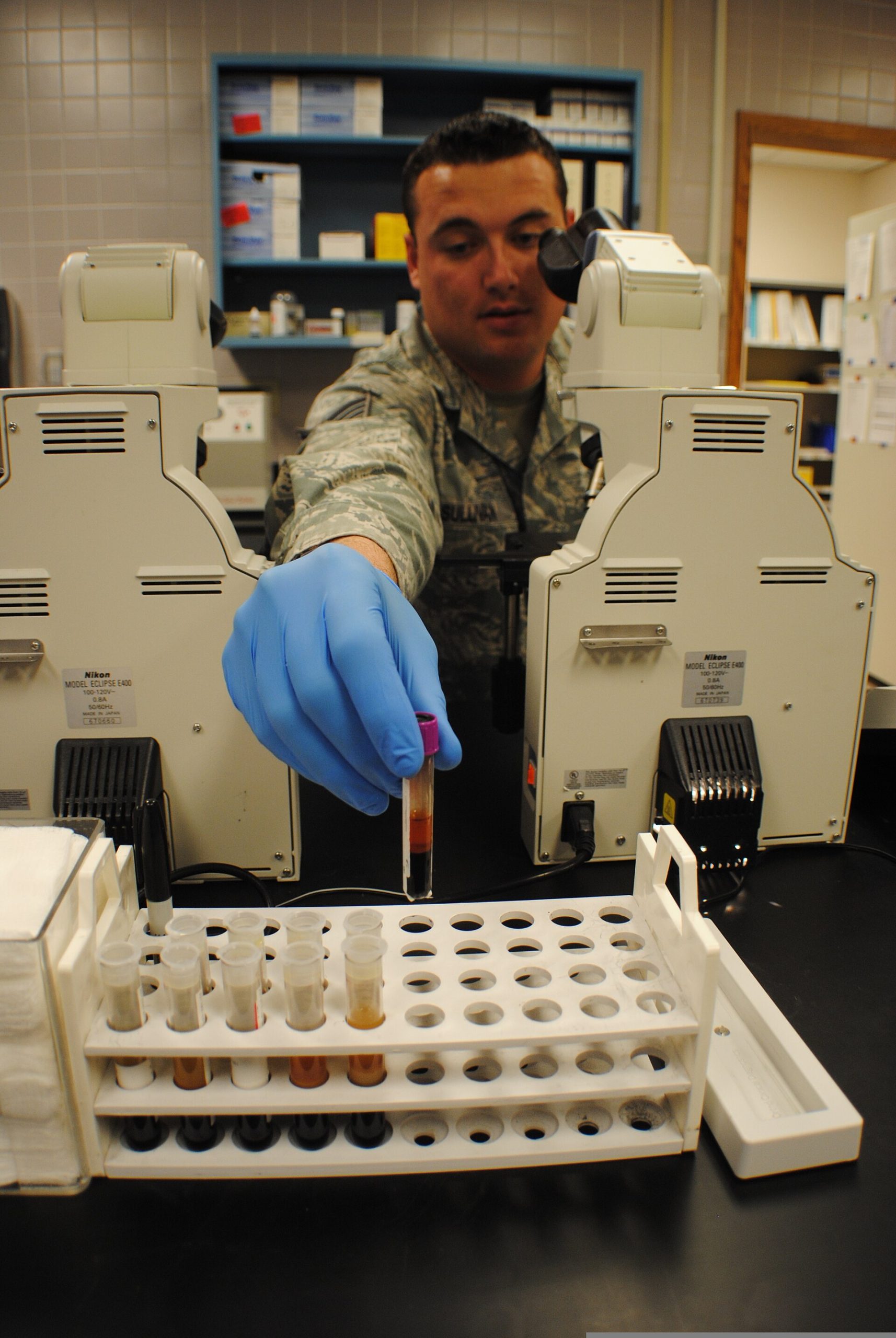
By analysing blood samples collected from people years before they were diagnosed — and comparing them with samples from people who stayed healthy — the team identified a signature of proteins and inflammatory markers that shifted well in advance of clinical disease. No single marker did the job alone; the predictive power came from the pattern, the kind of multi-marker profile that modern laboratory medicine is increasingly good at detecting.
The findings align with what specialists at organisations such as the Crohn’s & Colitis Foundation have long suspected: that the biological processes driving IBD begin years before the first flare sends a patient to hospital.
Why Early Detection Changes Everything
Crohn’s and ulcerative colitis are progressive conditions. Untreated inflammation damages the bowel wall, leading to strictures, fistulas, surgery and, over time, a raised risk of colorectal cancer. Treatments work best early, before structural damage accumulates — a principle clinicians summarise as treating to target rather than chasing symptoms. A reliable pre-symptomatic test would let doctors monitor high-risk patients, intervene at the first objective sign of inflammation and potentially prevent the complications that dominate the lives of people diagnosed late. Our health desk covers developments like this as they emerge.
It would also end the diagnostic odyssey that patients describe so consistently: repeated GP visits, normal blood tests that miss the mark, and the psychological toll of unexplained illness.
What Stands Between the Lab and the Clinic
Enthusiasm needs tempering with process. A marker panel that performs well in a research cohort must be validated in larger, more diverse populations, standardised across laboratories and tested for false positives — people flagged as high-risk who never develop disease. Health systems will also ask hard questions about cost-effectiveness and about what, exactly, to offer someone told they may develop IBD within a decade. Background on the conditions themselves is available from the Mayo Clinic’s Crohn’s disease overview.
Ethical questions follow too: insurance, anxiety and the burden of surveillance colonoscopies for people who may never become ill.
The Bottom Line
From Prediction to Prevention Trials
The logical next step is already being designed: prevention trials. If blood signatures can identify people at genuinely elevated risk years before symptoms, researchers can test whether early interventions — dietary strategies, microbiome-directed therapies, or even existing anti-inflammatory drugs used pre-emptively — can delay or prevent disease onset altogether. Similar trial designs transformed cardiology, where risk scores turned heart attacks from bolts from the blue into managed probabilities.
Such trials will need the biomarker panels to be right, and often. A test that flags many people who never develop IBD risks medicalising the healthy; one that misses cases betrays its purpose. That is why gastroenterologists insist the coming validation phase — larger cohorts, diverse ancestries, real-world primary-care populations — matters as much as the discovery itself. The discovery says the signal exists. Validation will decide whether it becomes medicine.
None of those caveats diminish the significance of the science. A decade of warning would be unprecedented in gastroenterology, converting IBD from a condition discovered in crisis into one anticipated and managed. Follow continuing coverage on our homepage as validation studies report over the coming years.
